What is an HVAC Service? A Complete Guide for UK Businesses
Is the hum from your office air conditioning a little louder than it used to be? Are you bracing for the next energy bill, wondering why it keeps climbing? For many UK business owners, the world of heating, ventilation, and air conditioning is filled with confusing acronyms and the constant worry of a sudden, costly breakdown. You know you need to look after your system, but what does a professional HVAC service actually involve? It’s a common question, and the uncertainty can lead to inefficient performance and unexpected repair costs that disrupt your operations.
There’s no need to let the technical jargon leave you in the cold (or the heat!). This straightforward guide is here to provide clear, reliable answers. We’ll demystify what a comprehensive service includes, from routine checks to emergency repairs. You’ll discover the tangible benefits of planned maintenance for your bottom line and gain the confidence to identify system issues and choose a trustworthy partner for your business. Consider this your complete roadmap to a more efficient, dependable, and cost-effective system.
Key Takeaways![]()
● Understand that HVAC is an integrated system of Heating, Ventilation, and Air Conditioning that is essential for a productive and compliant business environment.
● Learn to distinguish between proactive maintenance and reactive repairs to choose the right HVAC service for your immediate and long-term business needs.
● Discover how scheduled servicing directly impacts your bottom line by improving energy efficiency, reducing costly breakdowns, and ensuring legal compliance.
● Get a clear checklist for choosing a qualified UK provider, focusing on key credentials like Gas Safe and F-Gas registration to ensure safety and expertise.
Table of Contents
● Demystifying HVAC: What Do the Letters Stand For?
● The Three Core Types of HVAC Service Explained
● What’s Included in a Comprehensive HVAC Maintenance Visit?
● Key Business Benefits of Regular HVAC Servicing
● How to Choose the Right HVAC Service Provider in the UK
Demystifying HVAC: What Do the Letters Stand For?
In the world of commercial property management, the term ‘HVAC’ is everywhere. But what does it actually mean? At its core, the acronym stands for Heating, ventilation, and air conditioning (HVAC). These three elements are not separate entities but components of a single, integrated system designed to control the climate within a building. A well-maintained system is the invisible engine that drives comfort, ensures health, and boosts productivity in any commercial space.
Understanding this system is key to appreciating why a professional HVAC service is so much more than a simple repair job. It involves a holistic approach to managing your entire indoor environment, from air temperature and quality to humidity levels. Each letter in the acronym represents a critical function that keeps your business running smoothly.
The ‘H’ in HVAC: Heating
The heating component is responsible for maintaining a warm and stable environment, especially during the UK’s colder months. Common commercial systems include traditional gas-fired boilers and increasingly popular, energy-efficient heat pumps. Sourced from gas, electricity, or renewable energy, the goal is always the same: to provide consistent, reliable warmth that keeps your employees and customers comfortable, ensuring your business operations are never disrupted by the cold.
The ‘V’ in HVAC: Ventilation
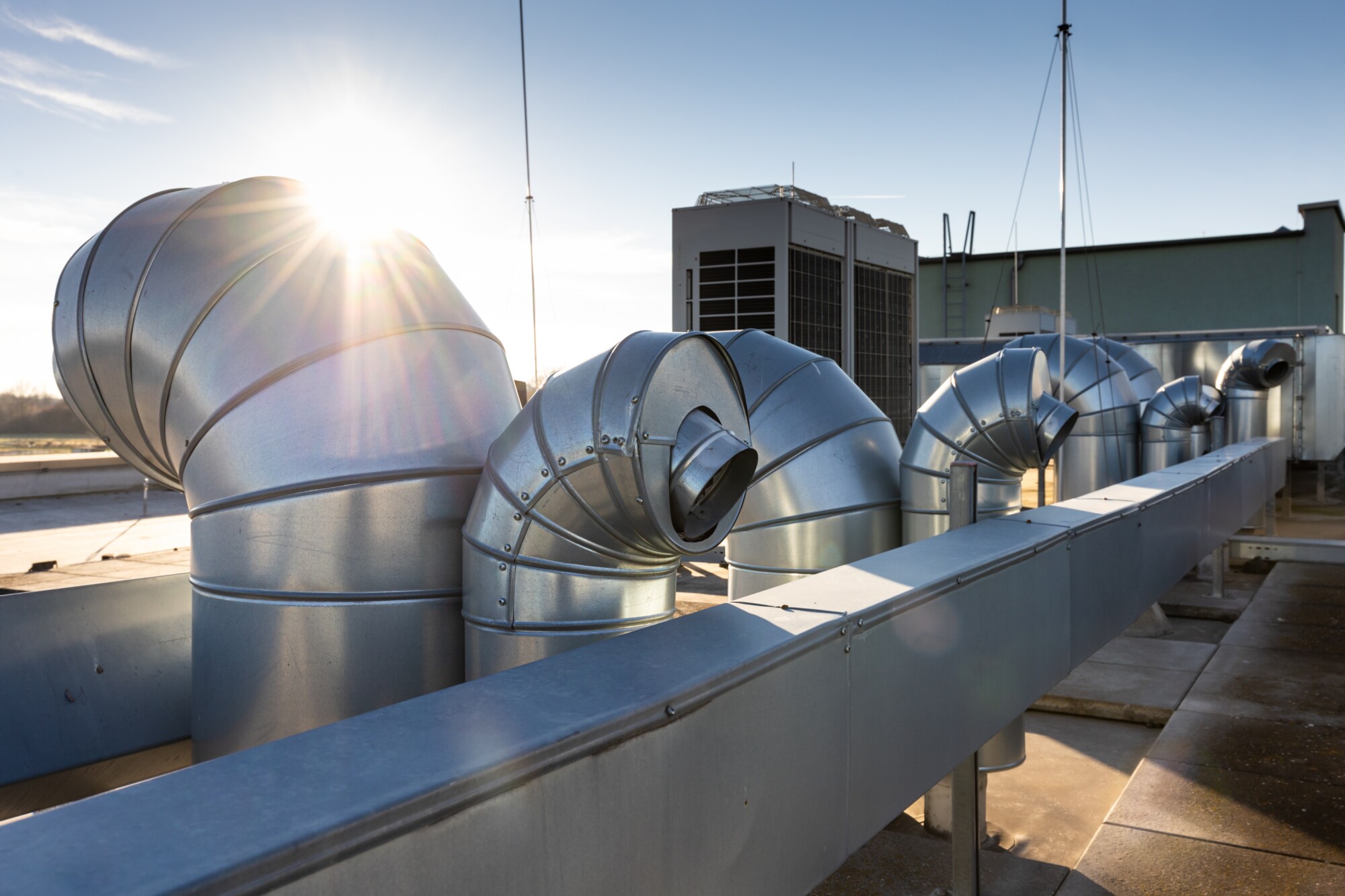
Often overlooked, ventilation is vital for maintaining a healthy indoor environment. This system’s primary job is to circulate air, removing stale, pollutant-filled air and replacing it with fresh, clean air from outside. In modern, energy-conscious buildings, Mechanical Ventilation with Heat Recovery (MVHR) systems are common. These clever units recover heat from the outgoing stale air to warm up the incoming fresh air, significantly reducing energy waste and heating costs.
The ‘AC’ in HVAC: Air Conditioning
Air conditioning does more than just cool the air. A modern commercial AC system provides complete climate control by regulating temperature, managing humidity, and filtering out dust, allergens, and other airborne particles. This is essential not only for employee well-being and productivity in offices but also for protecting sensitive equipment in server rooms or preserving goods in retail environments. Proper AC function is a cornerstone of a productive and healthy workplace.
The Three Core Types of HVAC Service Explained
Understanding the different types of HVAC service available is the first step towards managing your climate control systems effectively. Broadly, services fall into three categories that move from proactive care to reactive solutions, each addressing a different stage of your equipment’s lifecycle. Recognising the difference is key to budgeting, planning, and ensuring you get the right support precisely when you need it.
1. Planned Maintenance & Servicing
This is the proactive approach, designed to prevent problems before they start. Scheduled maintenance involves a time-served engineer thoroughly cleaning, inspecting, and optimising your system’s performance. Think of it like an MOT for your car; it ensures reliability, improves energy efficiency, and catches minor issues before they become major, costly breakdowns. In the long run, regular servicing is by far the most cost-effective way to manage your HVAC assets.
2. Repair & Emergency Call-Outs
When a system fails, you need a reactive solution. Repair services focus on fixing something after it has broken down, whether it’s a sudden loss of heating on a cold day or an air conditioning failure during a heatwave. The process involves diagnosing the fault, sourcing the correct parts, and carrying out the necessary work to restore full functionality. This type of service is often more expensive and disruptive than planned maintenance, which is why choosing a provider with a reputation for fast, reliable response times is essential to minimise downtime and discomfort.
3. Installation & System Design
The foundation of any efficient HVAC system is a professional installation. This foundational service is for new builds, refurbishments, or when an old system needs upgrading. It involves much more than just fitting a unit; it includes bespoke system design, careful equipment selection for your specific space, and a meticulous fitting process. A proper installation is critical for long-term performance and efficiency. For businesses, a correctly designed system is also essential for meeting health and safety standards, such as the legal requirement for workplace ventilation.
Need a new system? Explore our expert installation services.
A Complete Guide to Commercial Air Conditioning Installation
There’s a specific kind of stress that comes when your business’s air conditioning grinds to a halt. Suddenly, the comfort of your staff and customers is at risk, and every minute of downtime feels like it’s costing you money. You’re faced with urgent questions: is this a simple fix I can handle, or a major problem? And how can I be sure I’m not being overcharged for a straightforward repair? Before you worry about the potential cost and disruption, know that a solution is often more accessible than you think. Getting the right information is the first step when you need to repair air conditioning unit systems efficiently and affordably.
This guide is designed to give you that clarity. We’ll help you understand common AC faults found in UK commercial spaces, walk you through safe troubleshooting steps, and give you the confidence to know exactly when to call a reliable professional. Our aim is to help you minimise disruption, make an informed decision, and get your business back to being a comfortable, productive environment as quickly as possible.
Key Takeaways![]()
● Always start with safe, simple checks on your thermostat and power supply-you might be able to fix the problem without a call-out.
● Learn to identify common AC symptoms, from strange noises to weak airflow, to better understand the potential fault before an engineer arrives.
● Understand the critical difference between basic maintenance and a technical fix; attempting to repair an air conditioning unit yourself can void warranties and breach UK safety regulations.
● Discover how proactive, regular maintenance is the most effective way to prevent costly emergency breakdowns and ensure your system’s long-term reliability.
Table of Contents![]()
● First Steps: Safe Troubleshooting Before You Call for a Repair
● Identifying Common Commercial AC Problems and Their Symptoms
● DIY vs. Professional Repair: Why You Need a Certified Engineer
● The Professional AC Repair Process: What to Expect
● From Repair to Reliability: Preventing Future Breakdowns
First Steps: Safe Troubleshooting Before You Call for a Repair
When your air conditioning fails, the immediate stress can be overwhelming, disrupting comfort and productivity. Before you pick up the phone, however, a few simple and safe checks can sometimes resolve the issue, potentially saving you the cost and time of a call-out. These preliminary steps are not technical fixes; they are designed to rule out common, easily solved problems. While a basic understanding of how HVAC systems work can be useful, these checks require no expertise. If these actions don’t bring your system back to life, you’ll know it’s time for a professional to diagnose and safely repair air conditioning unit components.
Check the Power Supply
The most common culprit is often the simplest: a lack of power. Before assuming a major fault, run through this quick power checklist:
● Main Isolator Switch: Ensure the switch, usually located near the indoor or outdoor unit, is in the ‘ON’ position. It may have been accidentally knocked off.
● Circuit Breaker: Check your main electrical panel (fuse box). Has the breaker for the AC unit tripped? If it has, you can try resetting it once. If it trips again immediately, do not reset it again-this indicates a more serious electrical fault that requires an expert.
Inspect the Thermostat Settings
Incorrect thermostat settings can easily mimic a system failure. It’s a frequent oversight, so it’s always worth double-checking. Confirm that the thermostat is set correctly:
● Is it set to ‘Cool’ or a snowflake symbol? It may have been accidentally switched to ‘Heat’ or ‘Fan Only’.
● Is the target temperature set several degrees lower than the current room temperature?
● If your thermostat is battery-powered, a low battery warning might be showing. Try replacing the batteries with a fresh set.
Examine Air Filters and Vents
Your air conditioning system needs to breathe. Restricted airflow is a leading cause of poor cooling performance and can even cause the unit to freeze up and shut down. Locate the air filter on your indoor unit-it often slides out from a simple panel. If it’s visibly clogged with dust and debris, it’s restricting airflow. Cleaning or replacing it can make a significant difference. Also, take a moment to ensure that indoor air vents and the outdoor condenser unit are not blocked by furniture, curtains, or garden debris.
Identifying Common Commercial AC Problems and Their Symptoms
When your business’s air conditioning fails, productivity and comfort can quickly decline. Recognising the early warning signs helps you communicate the issue clearly to a technician and understand the potential scope of the work. This knowledge allows you to manage expectations for the professional service needed to repair air conditioning unit components before a minor fault becomes a major expense.
Symptom: Unit is Running but Not Cooling
Perhaps the most frustrating issue is when the system is running, consuming electricity, but failing to cool your space. This indicates a problem within the cooling cycle itself. The most common culprits are:
● Low Refrigerant Levels: This almost always signals a leak. A qualified engineer won’t just top up the refrigerant; they will need to locate and repair the leak to provide a lasting solution.
● Dirty Condenser Coils: The outdoor unit’s coils are responsible for releasing heat. If they are caked in dirt and debris, they can’t work efficiently, severely hampering cooling performance.
● A Failing Compressor: The compressor is the heart of your AC system. If it is failing, the entire cooling process breaks down. This is a significant issue requiring expert diagnosis.
Symptom: Strange Noises or Odours
Your AC unit should operate with a consistent, low hum. Any new or unusual sounds and smells are direct warnings that something is wrong. Be alert for:
● Grinding or Squealing: These mechanical noises often point to worn-out motor bearings or a failing belt. Ignoring them can lead to a complete motor seizure.
● Musty Smells: A damp, musty odour typically indicates mould or mildew growth, often caused by a clogged condensate drain line that isn’t removing moisture properly.
● Electrical or Burning Smells: This is an urgent safety hazard. Immediately shut down your AC at the circuit breaker and call a professional. It suggests an electrical fault or overheating motor.
Symptom: Water Leaks or Icing
Water or ice appearing on or around your unit is a serious symptom that should never be ignored. It points to a fundamental problem with airflow or drainage.
● Water Leaks: Water pooling around the indoor unit is a classic sign of a blocked condensate drain. This can lead to significant water damage to your property if not addressed promptly.
● Ice on the Coils: Ice forming on the evaporator coils is usually caused by poor airflow (like a clogged filter) or low refrigerant. Icing prevents the system from cooling and can place immense strain on the compressor.
A frozen unit is a critical problem that can lead to catastrophic failure. Regular, professional maintenance, which adheres to industry best practice guides, is the most effective way to prevent the blocked drains and airflow restrictions that cause these issues.
Client: NHS Server Rooms
- Location: Various Sites
- Duration: 9 Months
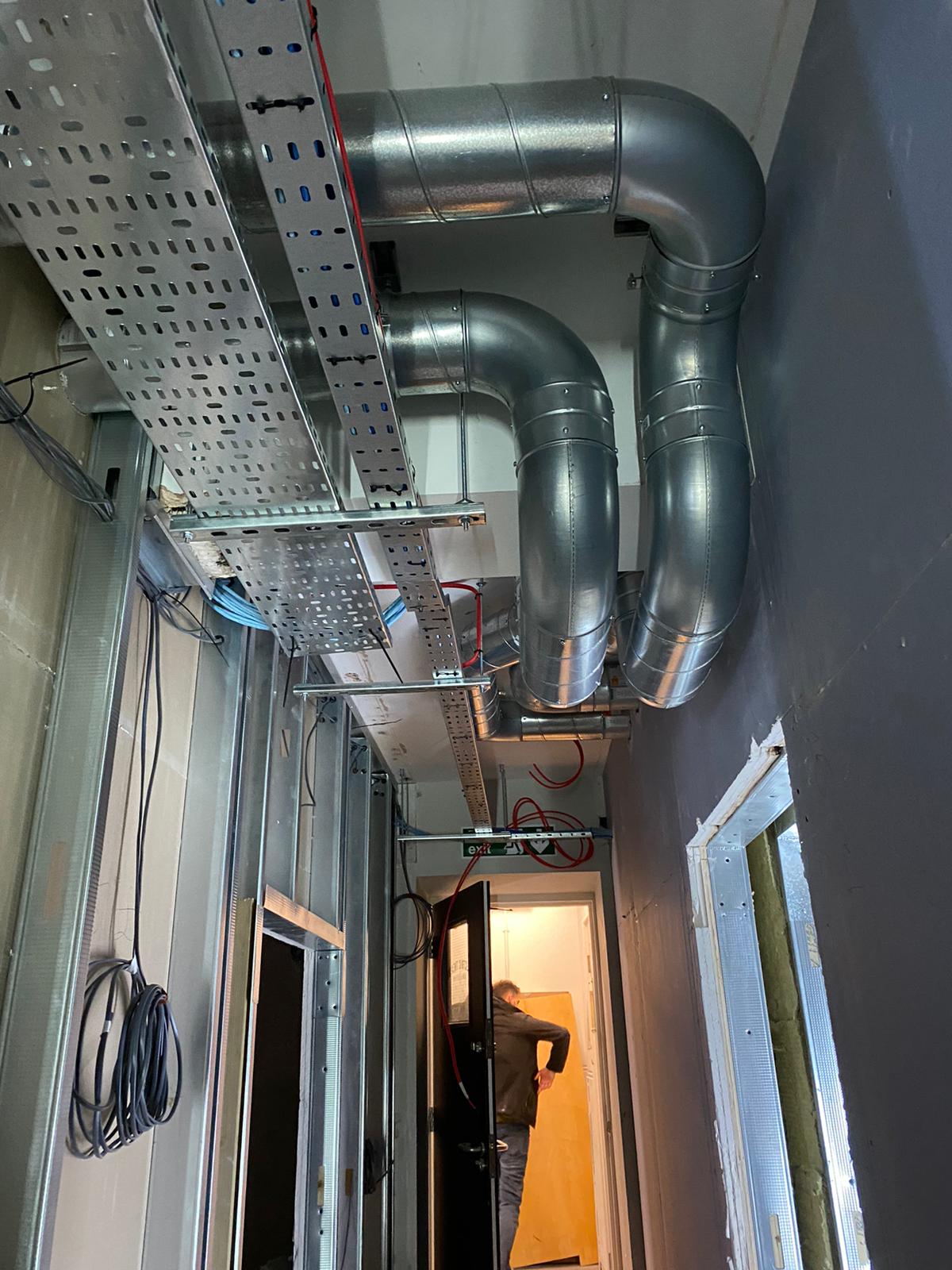
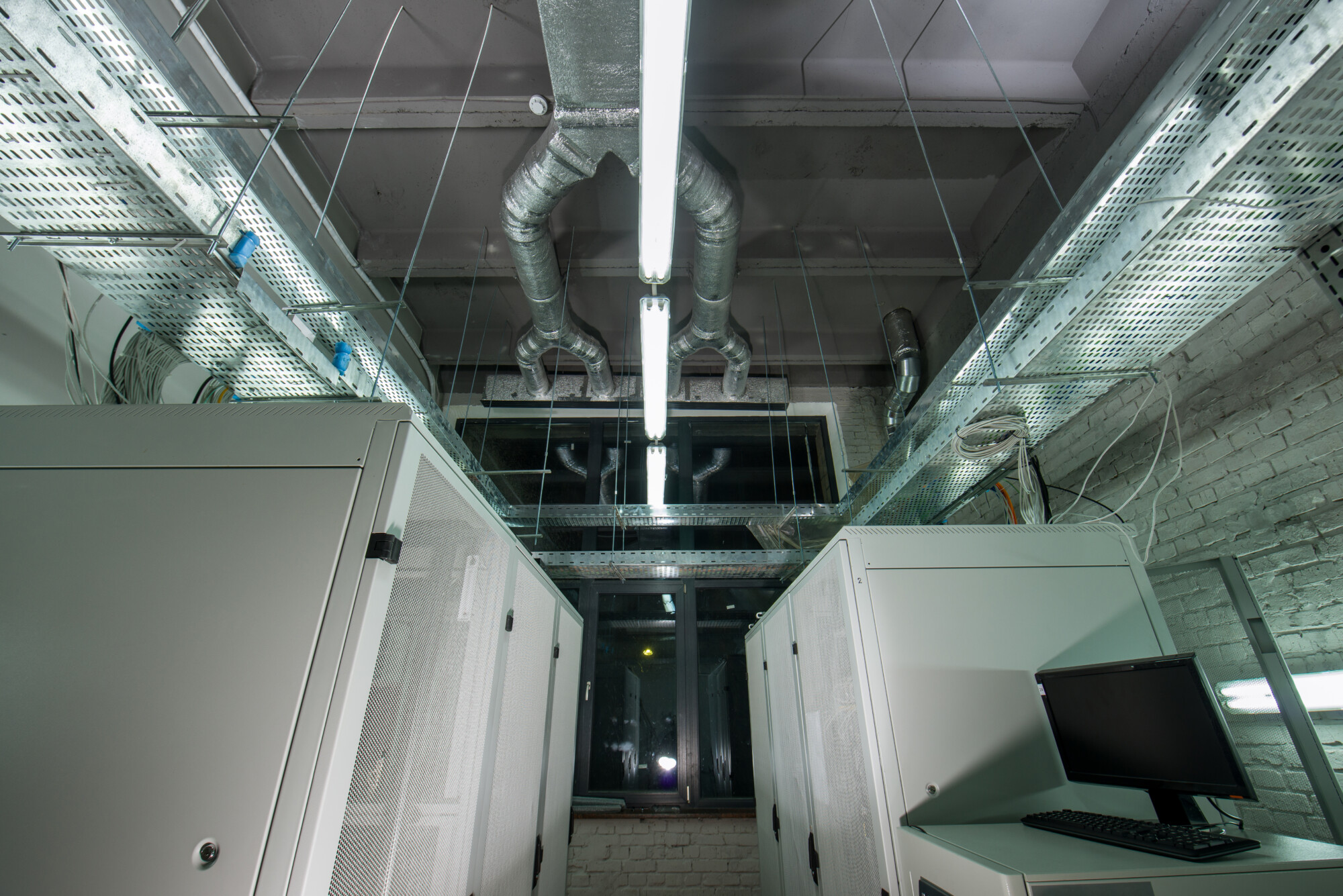
We worked closely with the main contractor, who were creating and upgrading 35 new server rooms across Kent & Medway.
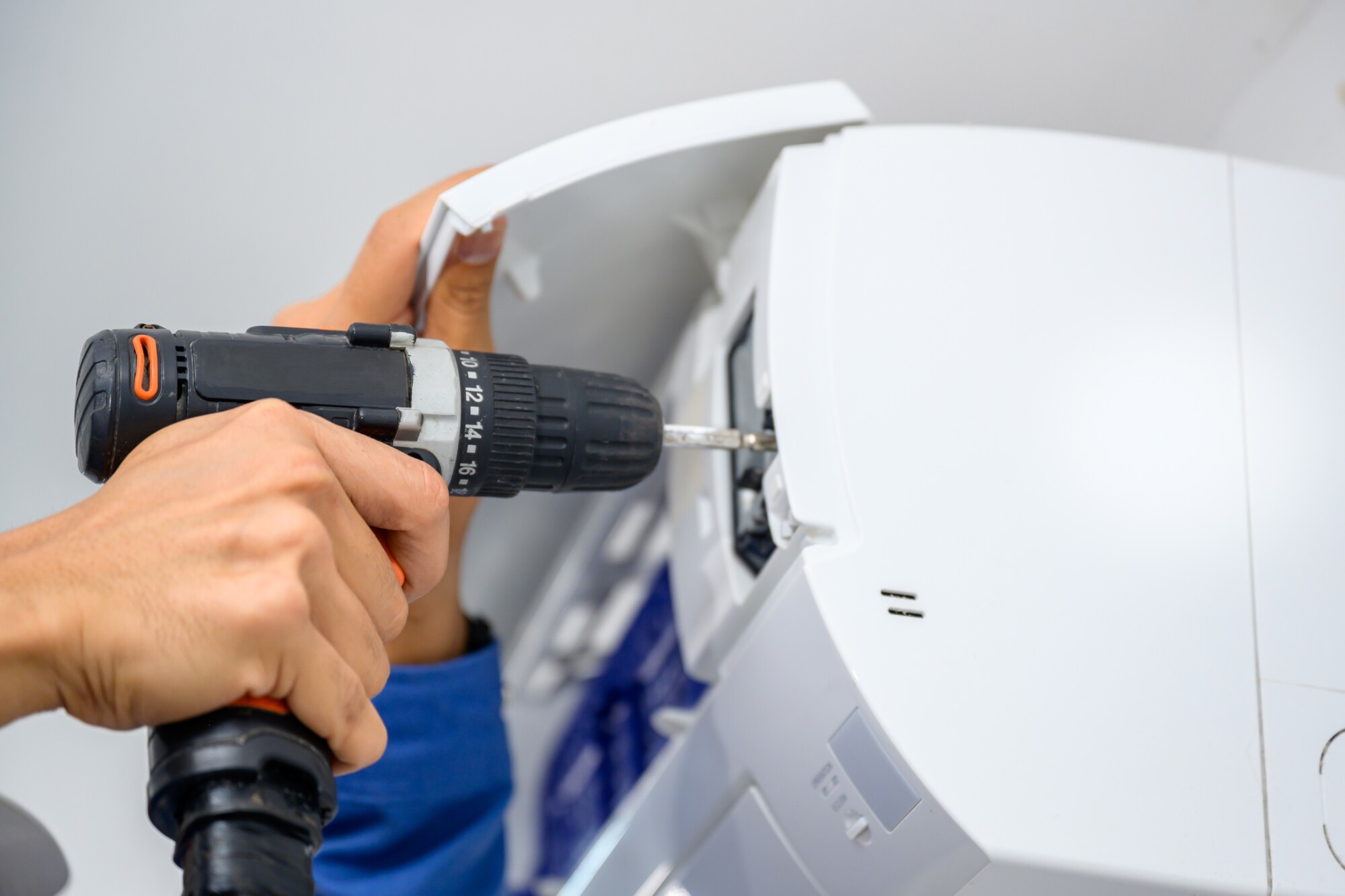
We installed over 35 new Mitsubishi Electric, Daikin and Mitsubishi Heavy Industry 2.5kw wall mounted units to provide climate control to each newly formed Server rooms. Our work was undertaken to tie in with the building works, across multiple locations throughout Kent & Medway sites, over a duration of 9 months. The main challenge for each installation was the time frame. To minimise down time detailed project planning and lots of flexibility was essential to ensure a smooth transition between trades and a timely finish.
Project time frame: Rolling Project over 9 months
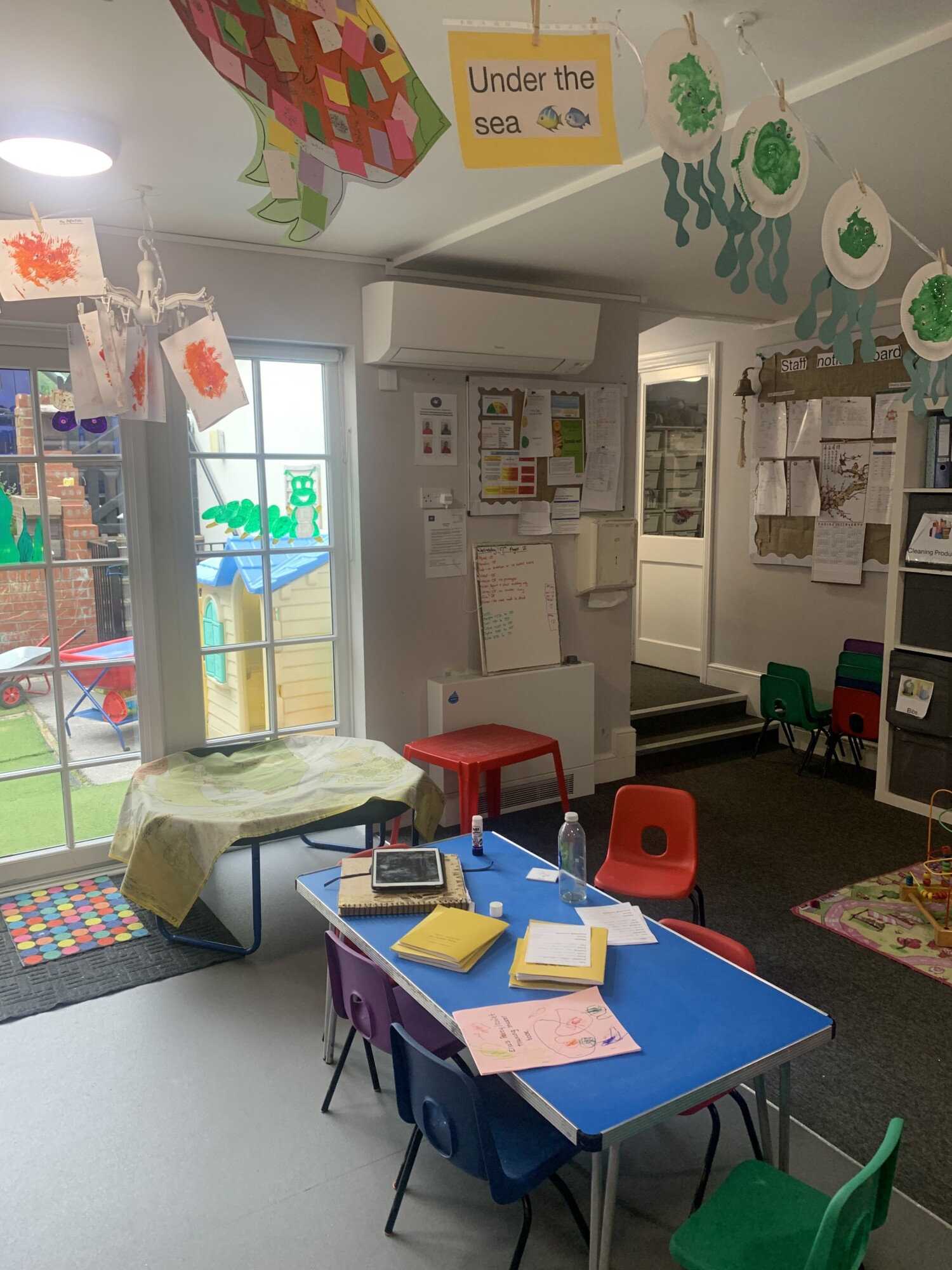
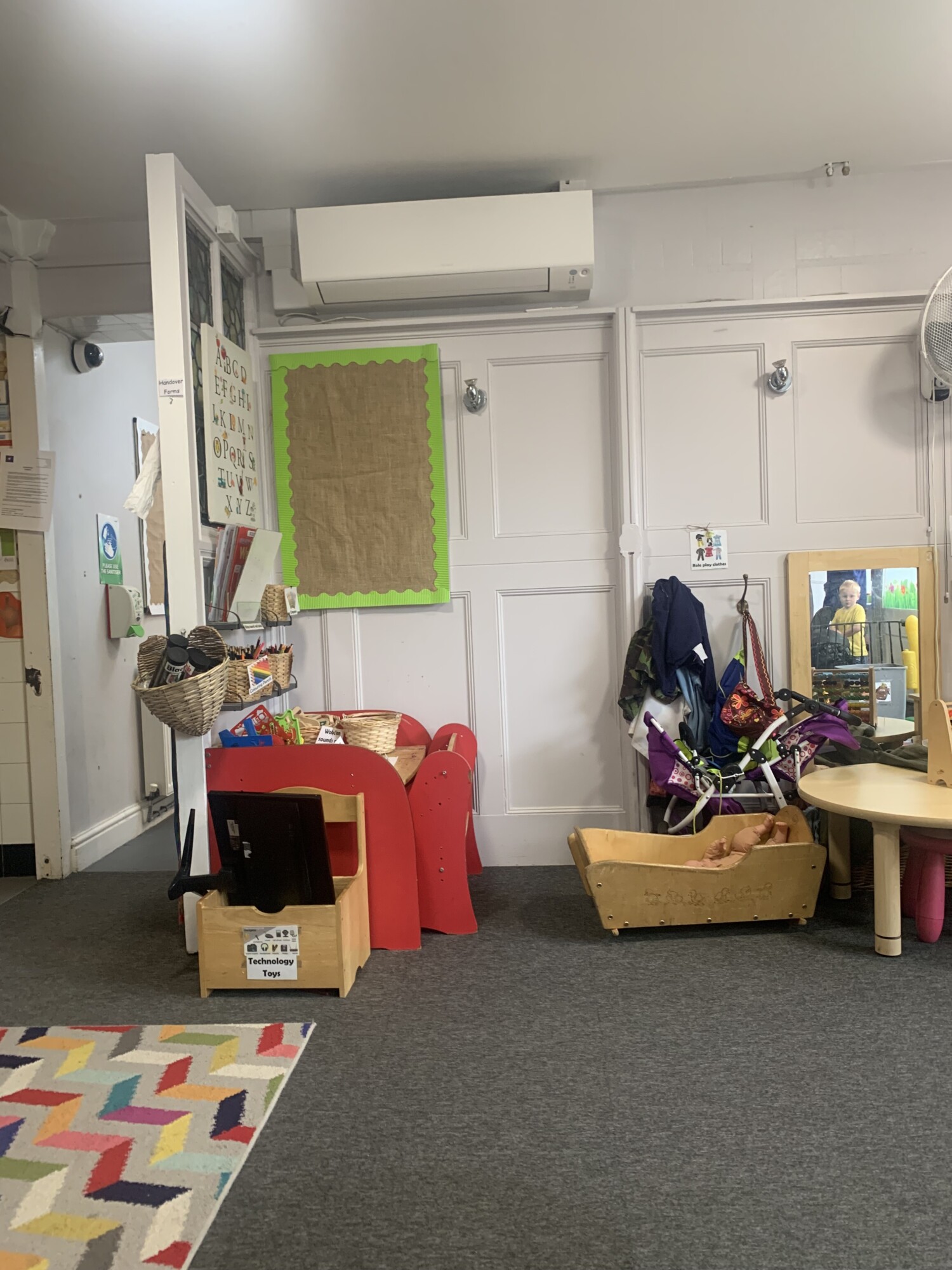
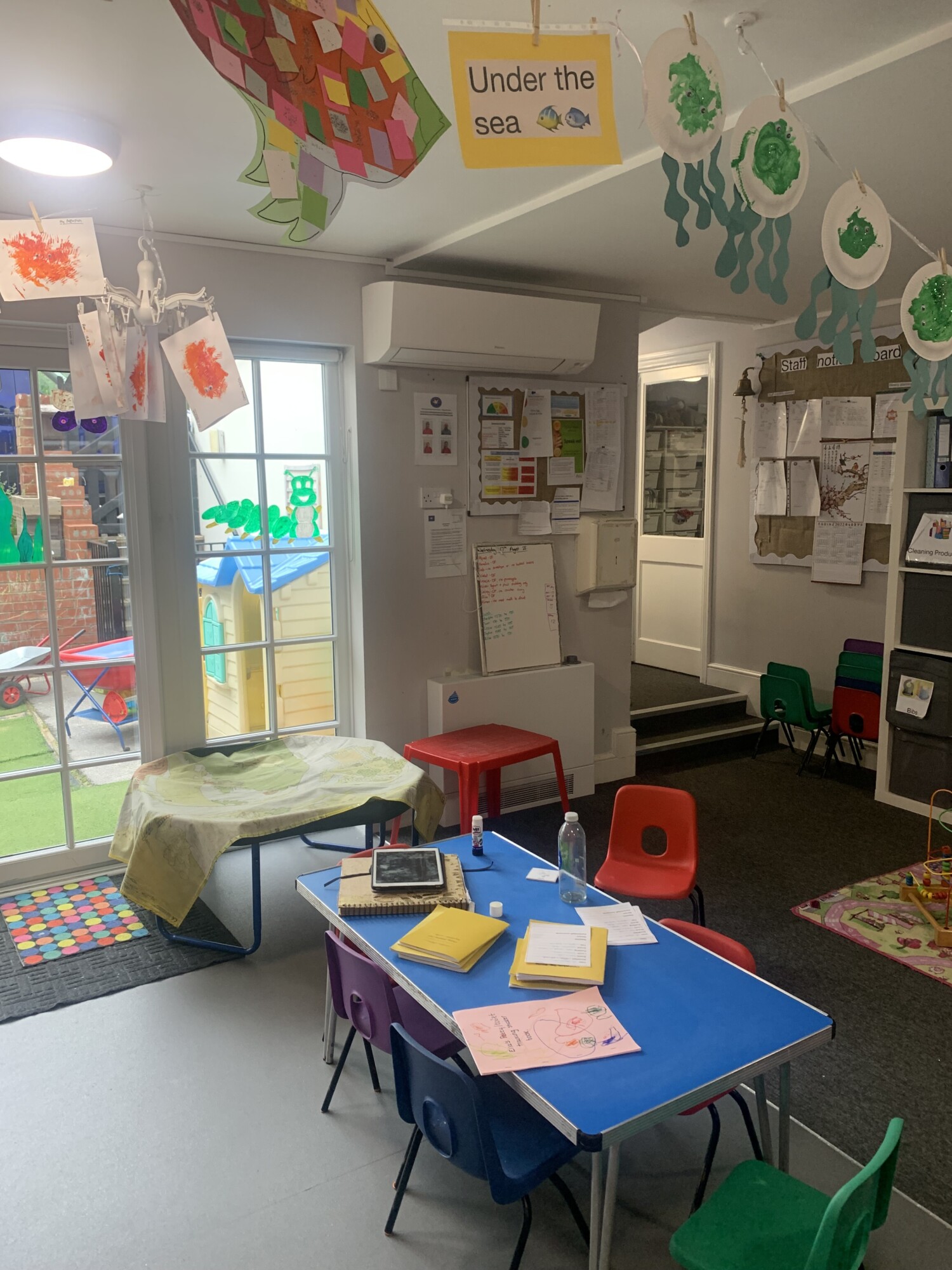
Client: Day Nursey
- Location: Chelmsford, Essex
- Duration: 4 Days
Our client wanted to provide cooling for the main areas within the Nursery, to create a more comfortable and productive environment for the children.
Our challenge was to ensure the safety and welfare of the children during the works. All workers are automatically DBS checked, but we also opted to undertake all work outside of normal hours to avoid disruption.
We installed a series of Daikin air source heat pump Inverter air conditioning systems – 5kw wall and 7kw wall mounted units.
Project time frame: 4 days
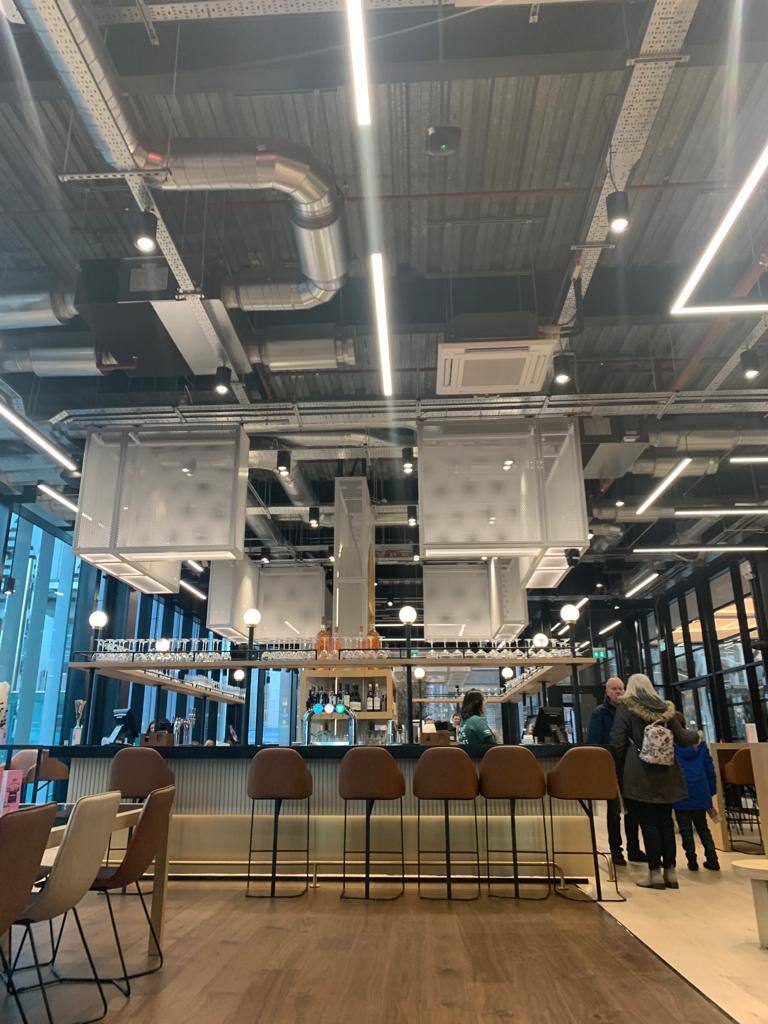
Client: Champagne Bar (Commercial/Leisure)
- Location: Canary Wharf, Docklands
- Duration: 1 Months
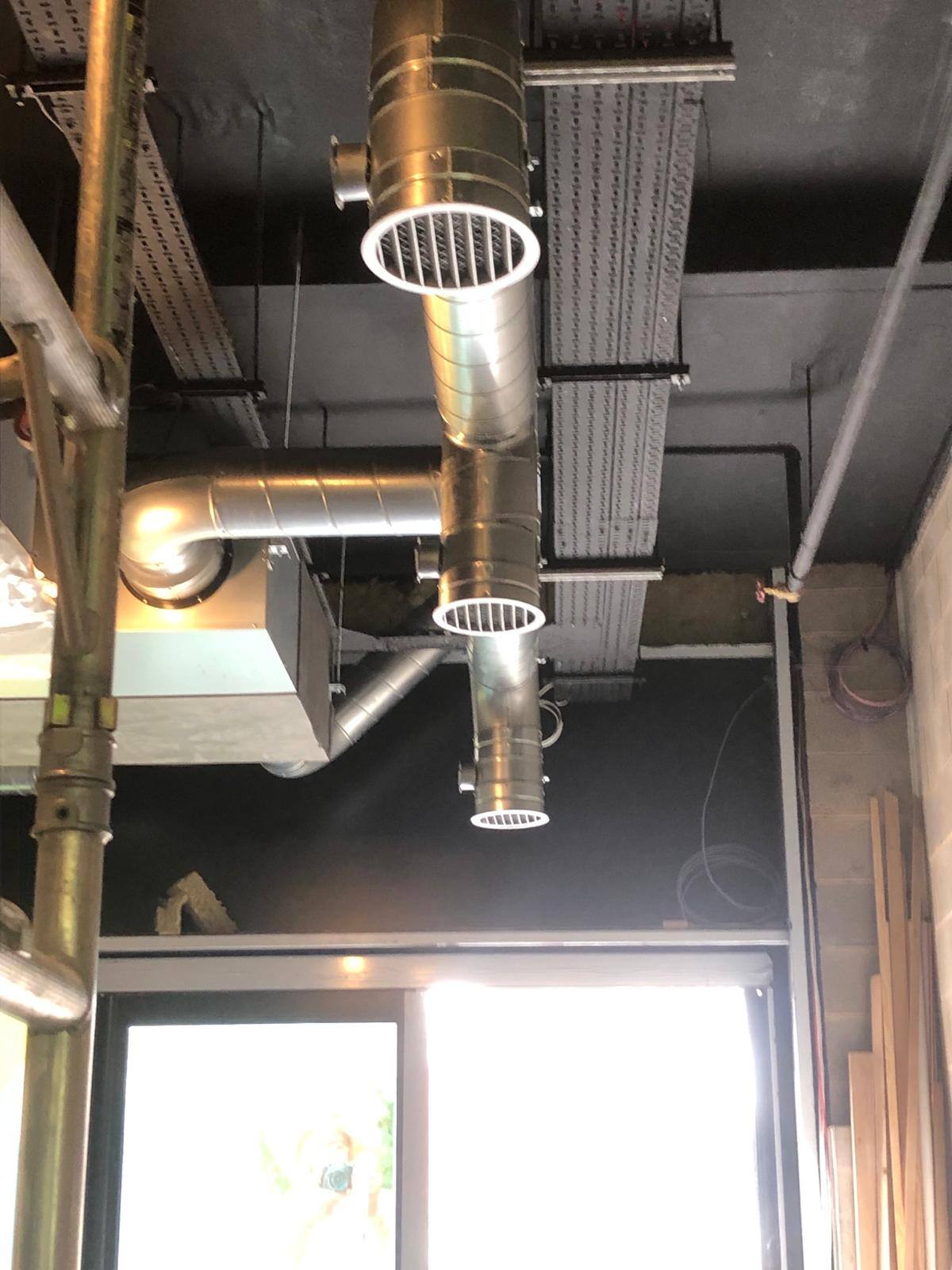
Installation of 8no Mitsubishi Electric cassette systems and MVHR ventilation systems to the open void. This work was undertaken alongside the building contractor, developing the space into a chic champagne bar with an urban feel. Our brief was to provide heating and cooling to the space, as well as lots of mechanical ventilation to ensure the busy space would remain comfortable and fresh.
Project time frame: Rolling Project over 1 months
Client: Urgent Treatment Centres
- Location: Deal, Folkstone and Sevenoaks
- Duration: 4 Months
As part of an overall project to convert their Minor Injury Units into Urgent Treatment Centres, we provided significant HVAC upgrades to Deal, Folkestone and Sevenoaks Hospitals.
The biggest challenge was the Covid 19 outbreak that was occurring nationwide at the time. We overcame many different challenges, including supply chain, staffing and health & safety issues. The changing virus situation also created a need for 100% fresh air to be achieved in many of these rooms during the course of the project.
For Folkestone Hospital we altered our design during the process to meet the changing demands. The final installation guaranteed absolutely zero air recirculation, 100% continuous fresh air being supplied and extracted through the fan coils, with cooling and heating on demand.
The addition of heater batteries to the ventilation units enabled us raise the temperature of the incoming cold air during the winter months, to ensure optimum temperature from the air conditioning units, when in heating mode. With meticulous planning we were able to allow the trust to continue with patient care throughout the works.
Across all three sites we installed a mixture of 40no Mitsubishi Electric & Daikin heat pump AC ducted systems and MVHR ventilation systems.
Project time frame: Rolling Project over 4 months
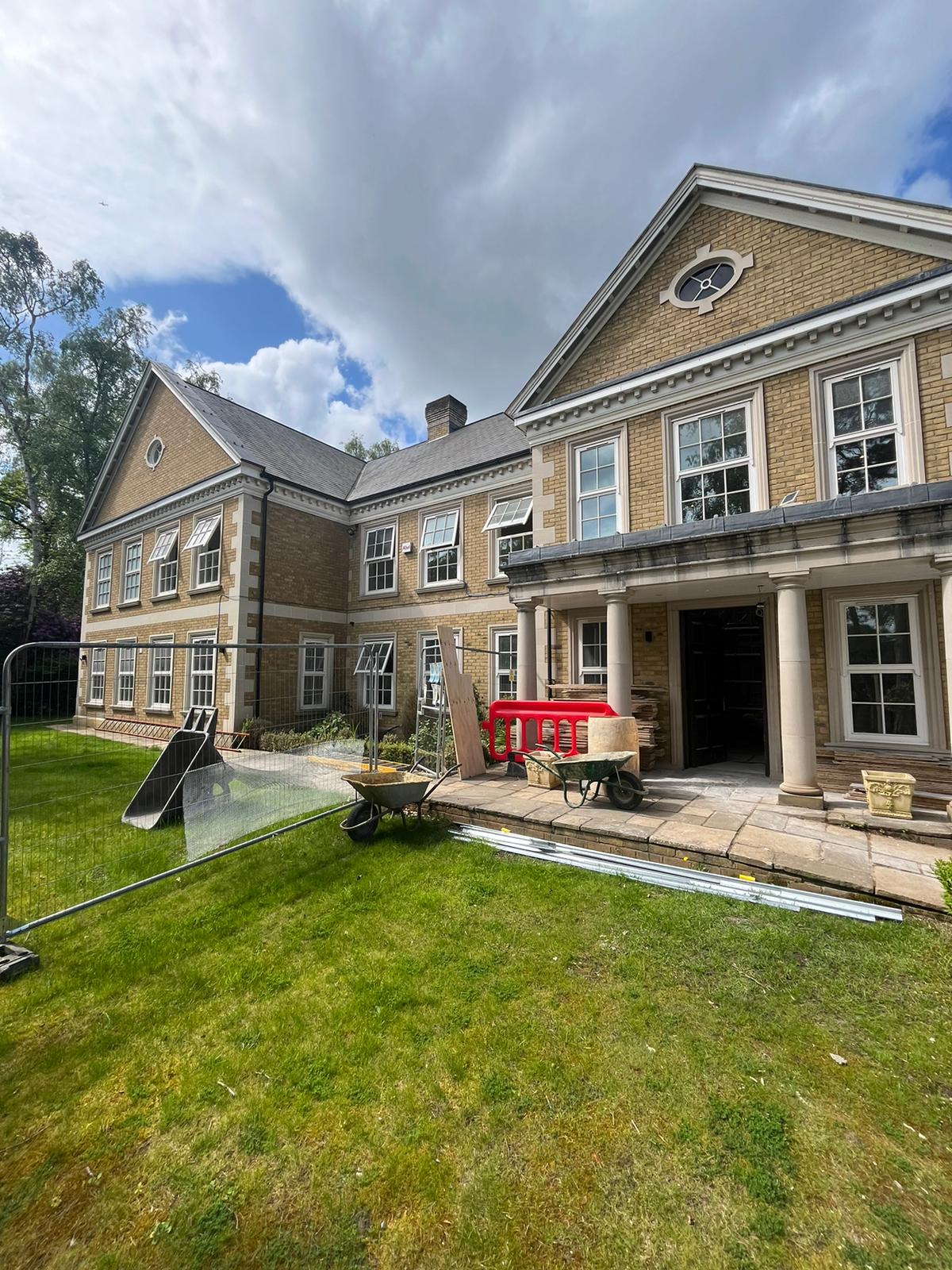
Client: Film Editing Suites
- Location: Fitzrovia, London W1
- Duration: 8 Weeks
Working with our existing client, we provided new air conditioning and ventilation solutions to their new editing suites as they expanded to acquire new floors within the building. The project ran in 3 phases, completing one floor at a time, over a 4 month period.
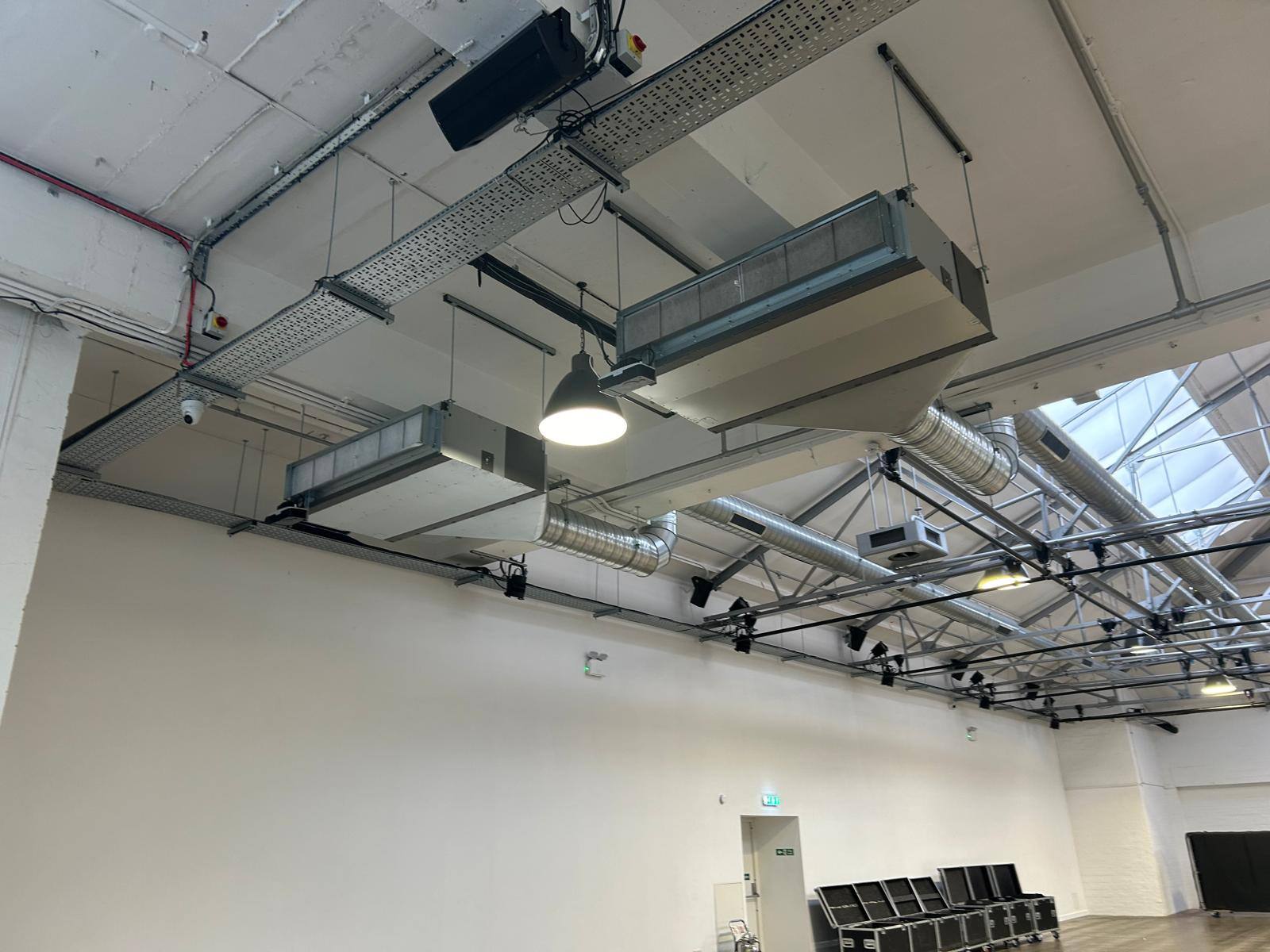
Installation of 5no VRF systems, comprising of 28 indoor units. Each indoor unit capacity differed depending on room size, varying from 2.5-7kw in capacity of cooling/heating. All systems are R32 Mitsubishi heat pump systems wall mounted units to individual studios.
Installation of 3no MVHR ventilation systems Installation of 1no Floor standing ducted AC.
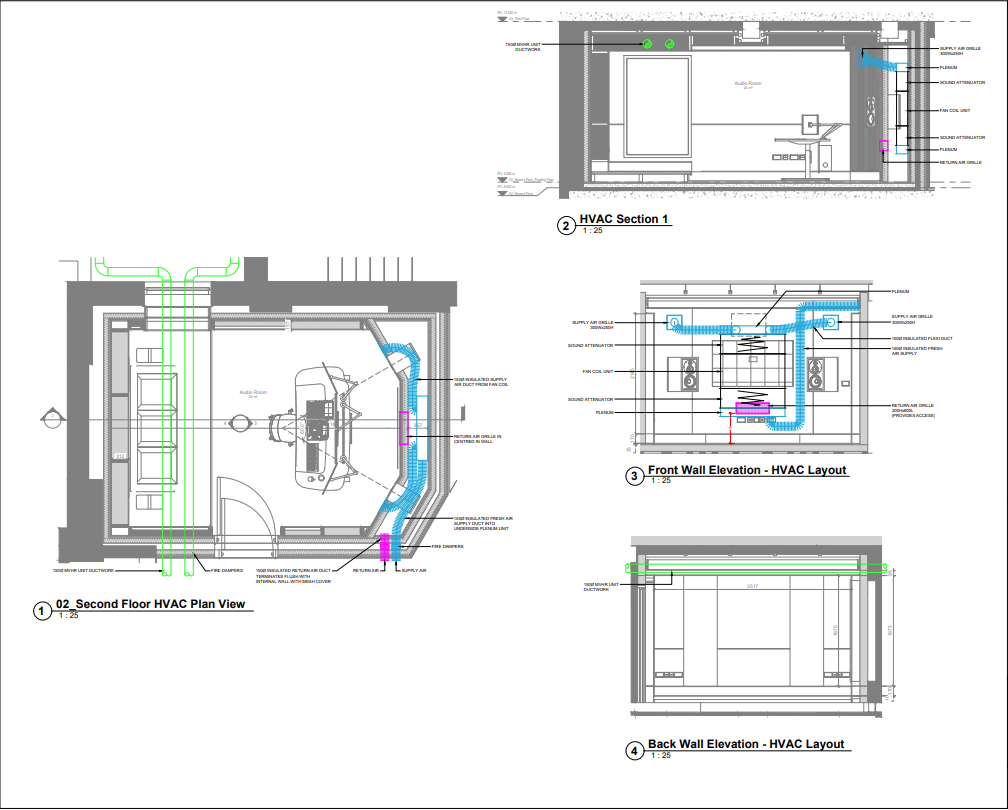
The biggest challenge was for the main Editing Suite, this was a noise sensitive editing recording suite, so sound transfer was an issue. As this was an internal “room within a room” we also had to provide fresh air and extract to the room for comfort and building compliance. We needed to design a system that was capable of serving the space with year-round temperate control, fresh air and extract with zero sound transfer from the equipment when operating.
We managed this by locating the MVHR ventilation and installing a separate individual Mitsubishi Floor standing ducted AC equipment externally outside of the room and behind a specially built acoustic wall. The equipment was fitted with silencers and extra sound proof insulation around the indoor ducted unit.
Project time frame: Rolling Project over 8 weeks
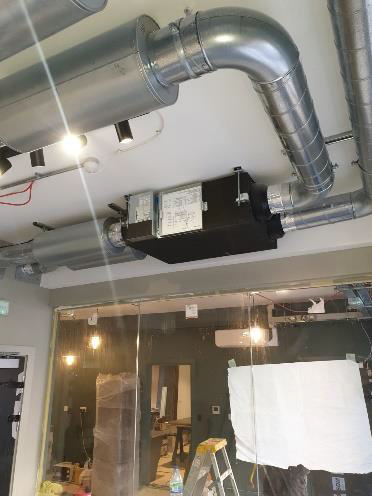
Client: NHS Server Rooms
- Location: Chelmsford, Essex
- Duration: 1 week
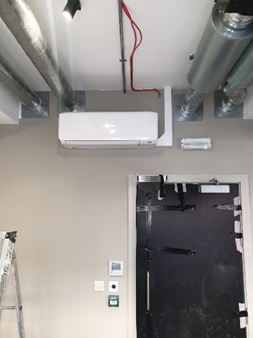
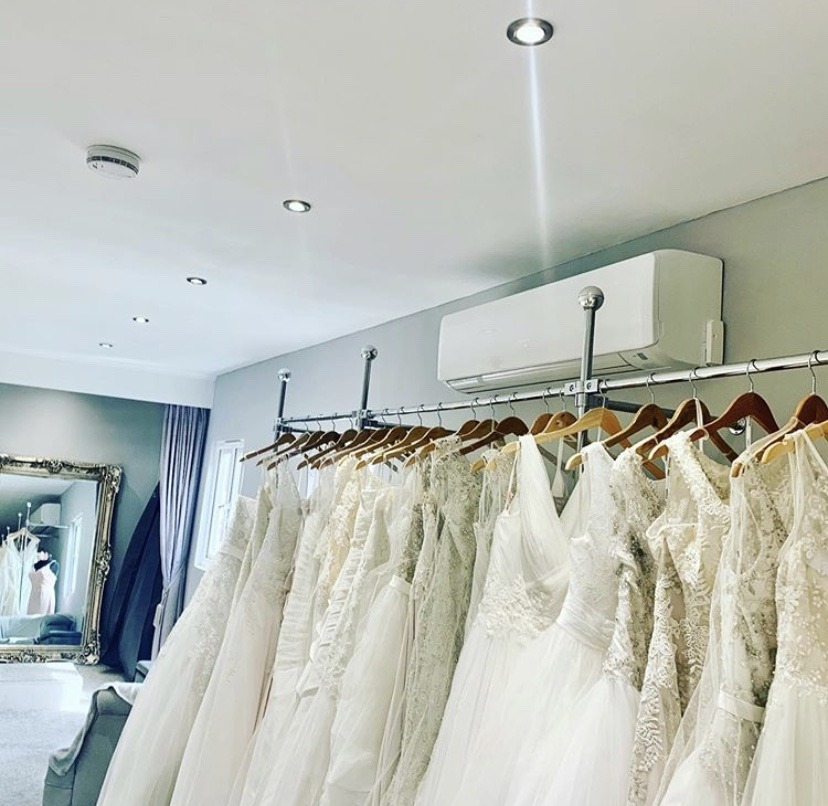
Installation of 2no 10kw Mitsubishi Heavy Industry units to the new showroom and changing rooms. As the property had no central heating this showroom needed year round climate control to make the space comfortable for prospective clients. With no ceiling void the wall mounted unit was the best solution and enabled a very neat and quick installation time. MHI heat pump inverter equipment installed.
Project time frame: Rolling Project over 1 week
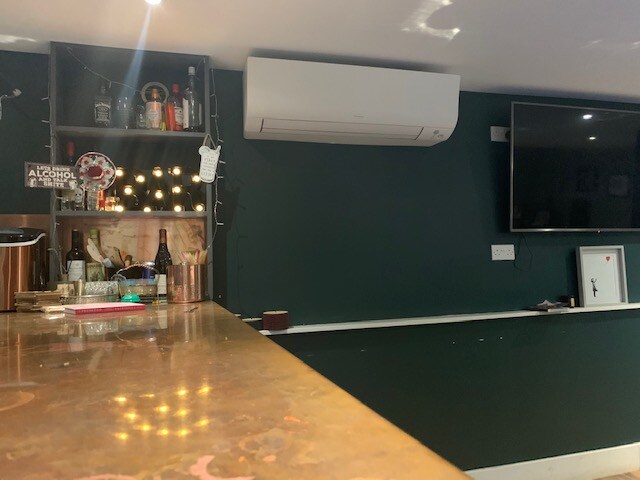
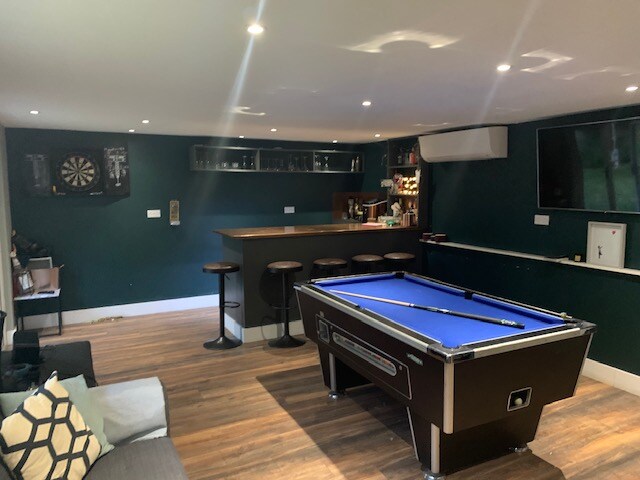
Client: Residential Client (Home Gym)
- Location: Chelmsford, Essex
- Duration: 1 Day
Our client needed a cooling and heating solution for a home gym and “man cave”. We supplied and fitted 2no Daikin wall mounted units to offer cooling and heating to both spaces. Both wall mounted units work very efficiently and bring the rooms to a comfortable temperature very quickly, which is ideal in a space that is used sporadically.
Project time frame: 1 Day.
Client: Residential Client
- Location: Danbury, Essex
- Duration: 1 Week
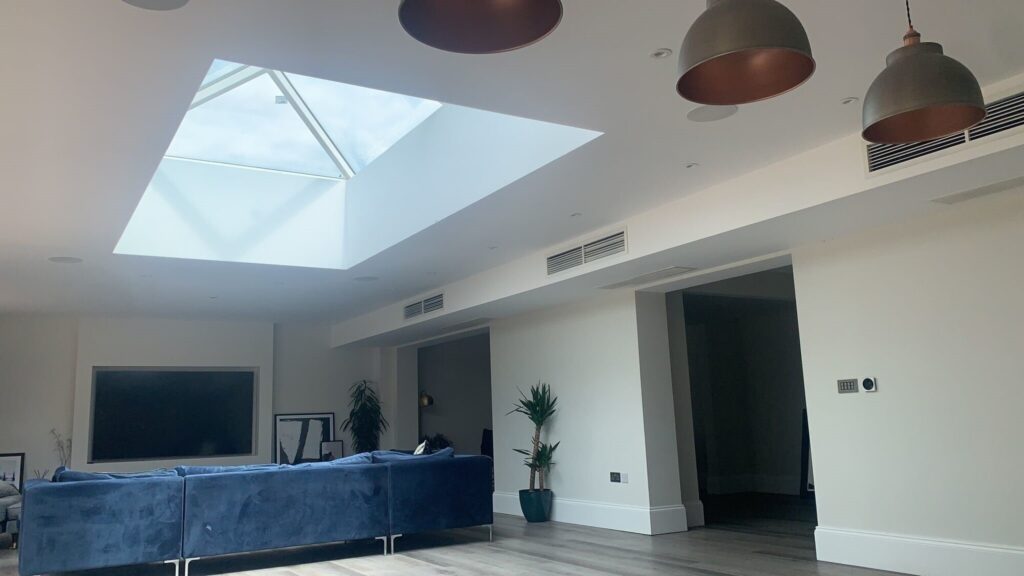
Our client had a large extension on the back of the house and they didn’t want to have radiators for heating as it would interfere with the aesthetics of the new open plan room. They also needed cooling to combat the heat load from the glass roof and large windows, so that the room was kept at a comfortable temperature at all times. We have installed 2no heat pump R32 Daikin ducted systems to the rear extension.
Working closely with the building contractors we designed a system that is hidden from view in a discreet bulk head. This blows warm/cool air into the space via colour matched grilles. The work was undertaken in stages to tie in with the builders programme, this was a very energy efficient solution to provide heating and cooling to a new modern space.
Project time frame: Rolling Project over 1 week